Drone Spray Machine Price in India (2026): Complete Buying Guide
Agriculture in India is rapidly embracing drone technology, making pesticide and fertilizer spraying faster, safer, and more efficient than traditional methods. Farmers, FPOs, agri-entrepreneurs, and custom hiring centers are increasingly investing in drone spray machines to reduce labor costs, improve spraying accuracy, and increase productivity. The demand has grown significantly due to government initiatives, better financing options, and subsidy programs that reduce the overall purchase cost. Recent market data indicates that DGCA-certified agriculture spray drones generally range from ₹4 lakh to ₹15 lakh, depending on payload capacity, features, accessories, and brand. Premium imported or specialized models can cost even more.
This guide explains the latest drone spray machine prices, available models, subsidy schemes, operating costs, and everything you should know before investing. Whether you’re a small farmer, an FPO representative, or planning to start a drone spraying service business, this article will help you make an informed buying decision.
What Is a Drone Spray Machine?
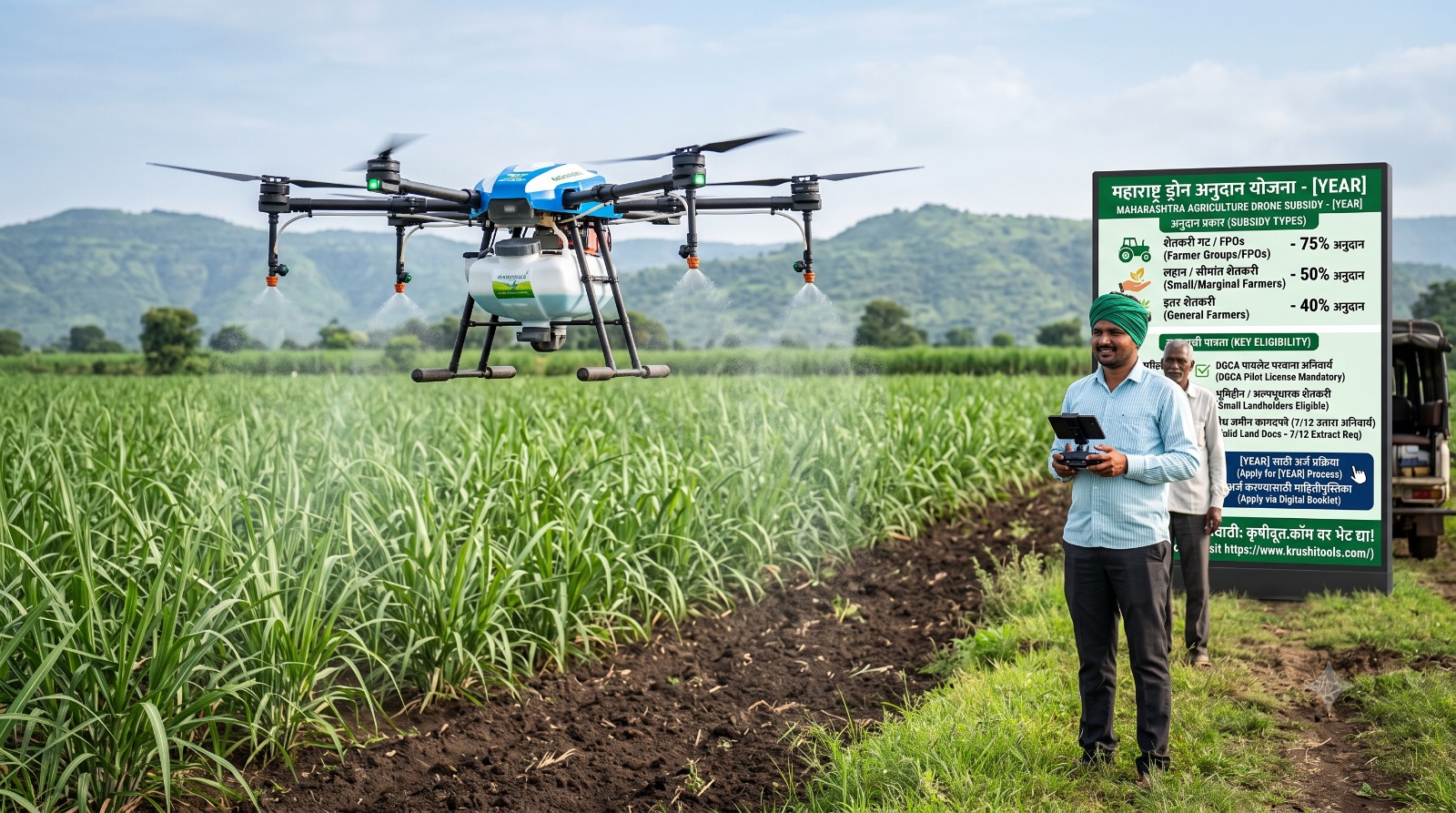
A drone spray machine, also known as an agriculture spraying drone, is an unmanned aerial vehicle designed specifically for spraying pesticides, fungicides, herbicides, fertilizers, and micronutrients across agricultural fields. Unlike manual spraying, these drones use GPS navigation, intelligent flight planning, and automated spraying systems to ensure uniform chemical distribution while minimizing wastage.
Modern agricultural drones are equipped with advanced sensors, radar systems, terrain-following technology, and intelligent pumps that automatically adjust spray flow according to flight speed. This results in better crop protection, reduced chemical consumption, and improved worker safety because operators are no longer directly exposed to hazardous chemicals. Precision agriculture is becoming increasingly important, especially in large farms where manual spraying is time-consuming and labor-intensive. With proper training and planning, drone spraying can significantly improve operational efficiency while supporting sustainable farming practices.
Latest Drone Spray Machine Price in India (2026)
The price of an agriculture spray drone depends on several factors, including payload capacity, battery package, charger, software, GPS technology, warranty, and after-sales service. Dealers also bundle pilot training, DGCA documentation, generators, and spare batteries, which can influence the final purchase price.
| Drone Category | Tank Capacity | Approximate Price |
|---|---|---|
| Entry-Level | 5–8 Litres | ₹4 – ₹6 Lakh |
| Mid-Range | 10–16 Litres | ₹6 – ₹10 Lakh |
| Professional | 20–25 Litres | ₹10 – ₹15 Lakh |
| Premium Models | 30–40 Litres | ₹15 – ₹20+ Lakh |
According to recent market listings, the DJI Agras T25 typically costs around ₹7–10 lakh, while the DJI Agras T50 is generally available in the ₹11–15 lakh range depending on battery bundles and dealer packages. Indian manufacturers such as Garuda Aerospace, Marut Drones, and IoTechWorld also offer DGCA-certified spraying drones priced between ₹4.5 lakh and ₹10 lakh.
Agriculture Drone Price Comparison
| Brand | Payload | Price Range | Suitable For |
|---|---|---|---|
| Garuda Aerospace | 8–16 L | ₹4.5–10 Lakh | Small & Medium Farms |
| Marut Drones | 10 L | ₹9–12 Lakh | Commercial Farming |
| IoTechWorld Agribot | 10–16 L | ₹6.5–8.5 Lakh | Custom Hiring |
| DJI Agras T25 | 20+ L | ₹7–10 Lakh | Large Farms |
| DJI Agras T50 | 40 L | ₹11–15 Lakh | Enterprise Farming |
Prices vary depending on battery bundles, accessories, GST treatment, training, and dealer location.
Factors Affecting Drone Spray Machine Price
Purchasing an agricultural drone involves much more than selecting the lowest price. The payload capacity directly influences productivity because larger tanks require fewer refills, allowing operators to cover more acres in less time. However, bigger payloads also increase the drone’s weight, battery requirements, and overall purchase cost.
Battery technology is another major cost factor. Professional operators usually purchase multiple intelligent batteries and fast chargers so that spraying can continue throughout the day without long charging delays. Automation features such as obstacle avoidance, RTK GPS positioning, terrain-following radar, AI-assisted flight planning, and variable-rate spraying also contribute to higher prices. Buyers should also evaluate warranty coverage, software updates, spare parts availability, and local service support, as these significantly impact long-term ownership costs. Investing in reliable after-sales service often provides better value than choosing the cheapest available drone.
Best Agriculture Drone Brands in India
Several manufacturers now offer reliable agricultural spray drones suitable for Indian farming conditions. DJI Agras remains one of the most recognized international names, known for advanced automation, large payload capacities, and intelligent spraying systems. These drones are popular among commercial service providers despite higher acquisition costs.
Indian manufacturers such as Garuda Aerospace, Marut Drones, and IoTechWorld have strengthened their market presence with DGCA-certified drones designed specifically for local farming requirements. These companies provide training, service support, financing assistance, and compatibility with government subsidy programs. Buyers should compare payload capacity, warranty terms, software capabilities, spare parts availability, and service networks before making a final decision. Local support can be just as valuable as advanced technology, especially during peak spraying seasons when downtime directly impacts farm productivity.
Government Subsidy on Agriculture Drones
Government support has become one of the biggest drivers behind drone adoption in Indian agriculture. Various schemes provide financial assistance for eligible farmers, FPOs, custom hiring centers, and women’s self-help groups. Depending on the beneficiary category, subsidy support can significantly reduce the purchase price of DGCA-approved agriculture drones.
Recent information indicates that SMAM (Sub-Mission on Agricultural Mechanization) offers subsidies of 40–50% for eligible individual farmers (subject to applicable limits), while FPOs and cooperatives may qualify for higher assistance under specific conditions. The Namo Drone Didi initiative also supports eligible women-led groups with substantial financial assistance and training opportunities. Prospective buyers should verify the latest eligibility criteria with their respective state agriculture departments before purchasing a drone, as subsidy availability and application procedures may vary across states.
Is Buying Better Than Hiring?
For many farmers, purchasing an agriculture drone is not always the most economical choice. Hiring professional drone spraying services has become increasingly common because it eliminates the need for a large upfront investment, battery maintenance, pilot certification, and equipment storage. Current market rates generally range from ₹400 to ₹1,200 per acre, depending on crop type, region, and service provider.
Buying a drone becomes financially attractive for large farms, FPOs, and entrepreneurs who intend to provide spraying services to multiple farmers throughout the season. A commercial drone can cover a significant number of acres each day, making it possible to recover the investment over time through service income. Those planning a drone spraying business should carefully estimate annual acreage, seasonal demand, financing costs, maintenance expenses, and operator availability before deciding whether ownership offers a better return than outsourcing spraying work.
How to Choose the Right Drone Spray Machine
Selecting the ideal agriculture drone requires evaluating operational needs rather than simply comparing prices. Small farms with limited acreage may benefit from compact 8–10 litre models that are easier to transport and require smaller investments. Larger farms and commercial operators should prioritize higher payload capacities, intelligent flight planning, obstacle avoidance systems, and quick battery replacement capabilities to maximize daily productivity.
Prospective buyers should also verify DGCA certification, training availability, warranty coverage, local service centers, software support, and spare parts availability. Purchasing from an established manufacturer or authorized dealer generally provides greater long-term reliability. Before finalizing a purchase, request a live demonstration and compare battery life, spray accuracy, refill time, and maintenance requirements. Evaluating the total cost of ownership rather than only the purchase price leads to a more informed investment decision.
Maintenance & Operating Cost
Owning an agriculture drone involves recurring operating expenses beyond the initial purchase price. Batteries require proper charging and periodic replacement, while pumps, nozzles, filters, propellers, and motors need routine inspection to maintain spraying efficiency. Software updates and periodic calibration also contribute to operational reliability and accurate application rates.
Operators should budget for preventive maintenance, insurance where applicable, transportation, pilot training renewals, and occasional replacement of wear-and-tear components. Proper maintenance not only extends equipment lifespan but also minimizes unexpected downtime during critical spraying seasons. Choosing genuine spare parts and following manufacturer-recommended maintenance schedules helps preserve performance and protects the long-term value of the investment.
Future of Agricultural Drone Spraying
The future of agricultural spraying is increasingly driven by automation, artificial intelligence, and precision farming technologies. New-generation drones are integrating advanced sensors, terrain mapping, AI-powered route optimization, and variable-rate application systems that further reduce chemical wastage while improving crop health. Research continues to enhance spraying accuracy, flight endurance, and autonomous operation, making drones an increasingly valuable component of modern agriculture.
Government initiatives, improved financing options, expanding service networks, and rising awareness among farmers are expected to accelerate drone adoption across India. As technology advances and production scales increase, equipment is likely to become more affordable and accessible, enabling even more farmers to benefit from precision agriculture.
Conclusion
Agriculture drone technology has evolved from a niche innovation into a practical farming solution that saves time, reduces labor requirements, improves spraying precision, and enhances operator safety. In 2026, drone spray machine prices in India typically range from ₹4 lakh for entry-level models to over ₹15 lakh for advanced commercial systems, depending on payload capacity, features, accessories, and manufacturer. Government subsidy schemes can substantially reduce the effective purchase cost for eligible buyers, making drone ownership increasingly attainable.
Whether you choose to purchase a drone or hire spraying services depends on your farm size, annual spraying requirements, and business goals. Careful evaluation of productivity, maintenance costs, financing, and after-sales support will ensure that your investment delivers long-term value while contributing to more efficient and sustainable farming practices.
Frequently Asked Questions
1. What is the price of a drone spray machine in India?
Most agriculture spray drones cost between ₹4 lakh and ₹15 lakh, depending on tank capacity, technology, accessories, and brand.
2. Can farmers get a subsidy for buying an agriculture drone?
Yes. Eligible farmers, FPOs, cooperatives, and other beneficiaries may receive financial assistance under government schemes, subject to current eligibility criteria and applicable limits.
3. How much does drone spraying cost per acre?
Professional drone spraying services generally charge ₹400–₹1,200 per acre, depending on the crop, location, and service provider.
4. Which is the best agriculture drone brand in India?
Popular choices include DJI Agras, Garuda Aerospace, Marut Drones, and IoTechWorld, with the best option depending on budget, payload requirements, and local service availability.
5. Is buying a drone profitable?
For commercial operators, FPOs, and large farms with consistent spraying demand, purchasing a drone can provide attractive long-term returns. Smaller farmers may find hiring a drone service more economical. Drone Spray Machine Price.